Clear communication
You hear what was found, what can wait, and what should be done before the next storm.
Residential and commercial roofing
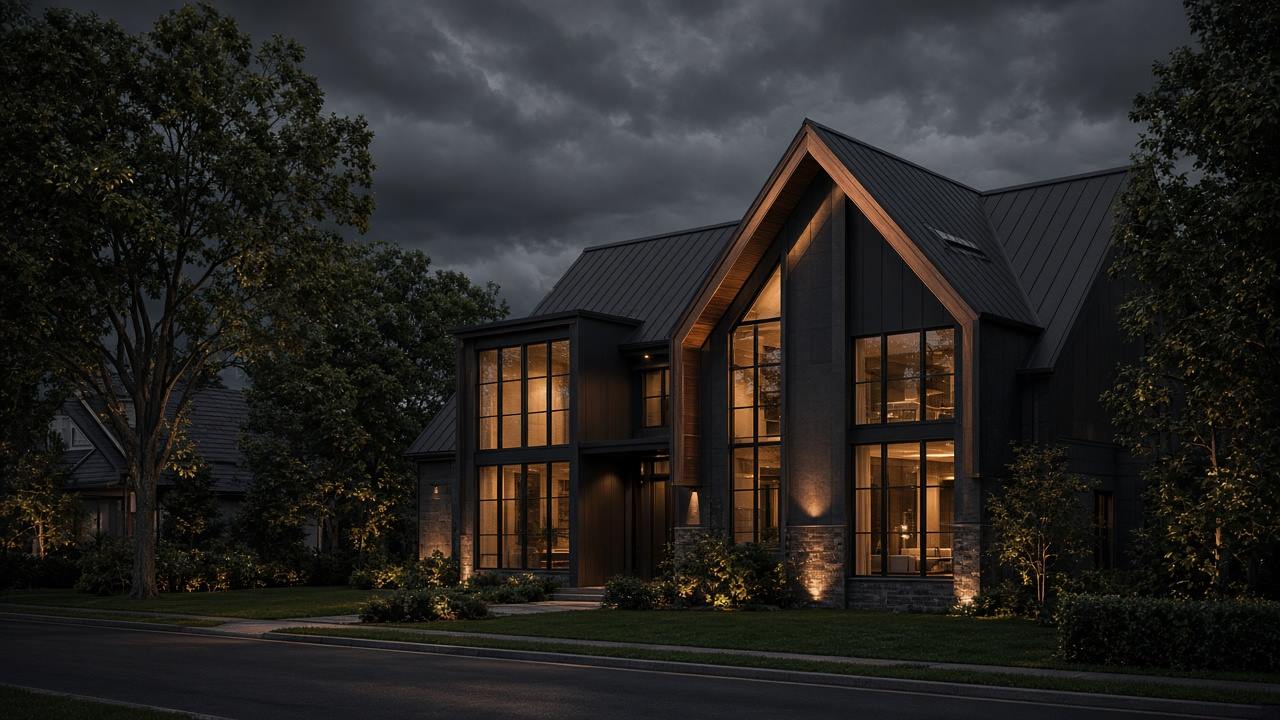
FBPMU Roofing plans roof repair, roof replacement, and new roof installation around the building in front of us. The scope is written, the material is matched to the roof, and the work is sequenced so the property stays protected.
You hear what was found, what can wait, and what should be done before the next storm.
Flashings, fasteners, seams, and edges are treated as the system, not as trim work at the end.
A steep house, a low-slope commercial building, and a tile roof do not share one prescription.
Access, weather, and the people using the building are part of the plan, not an afterthought.
Services
Searchers often start with “roofers near me” or “roofing company near me.” The useful next step is narrower: repair, replacement, a leak, storm damage, or a commercial system. Start with the condition, then choose the service.
Localized fixes for worn details, open flashings, and damage that has not taken over the field of the roof.
Roof repair 02A full tear-off and new system when the roof is at the end of its service life or failing in too many places.
Roof replacement 03New roof installation for additions, new buildings, and full reroofs that need a complete assembly.
Roof installation 04Low-slope and steep commercial roofs planned around access, drainage, and the businesses underneath.
Commercial roofing 05House roofs, from asphalt shingles and metal to tile, planned around pitch, weight, and how you live in the home.
Residential roofing 06Standing seam, corrugated, and metal shingle systems, including metal roof repair and new installation.
Metal roofing 07A documented look at the surface, flashings, drainage, and attic side before money is committed.
Roof inspection 08Make-safe work when water is entering, a section is open, or the roof cannot wait for a full schedule.
Emergency roof repair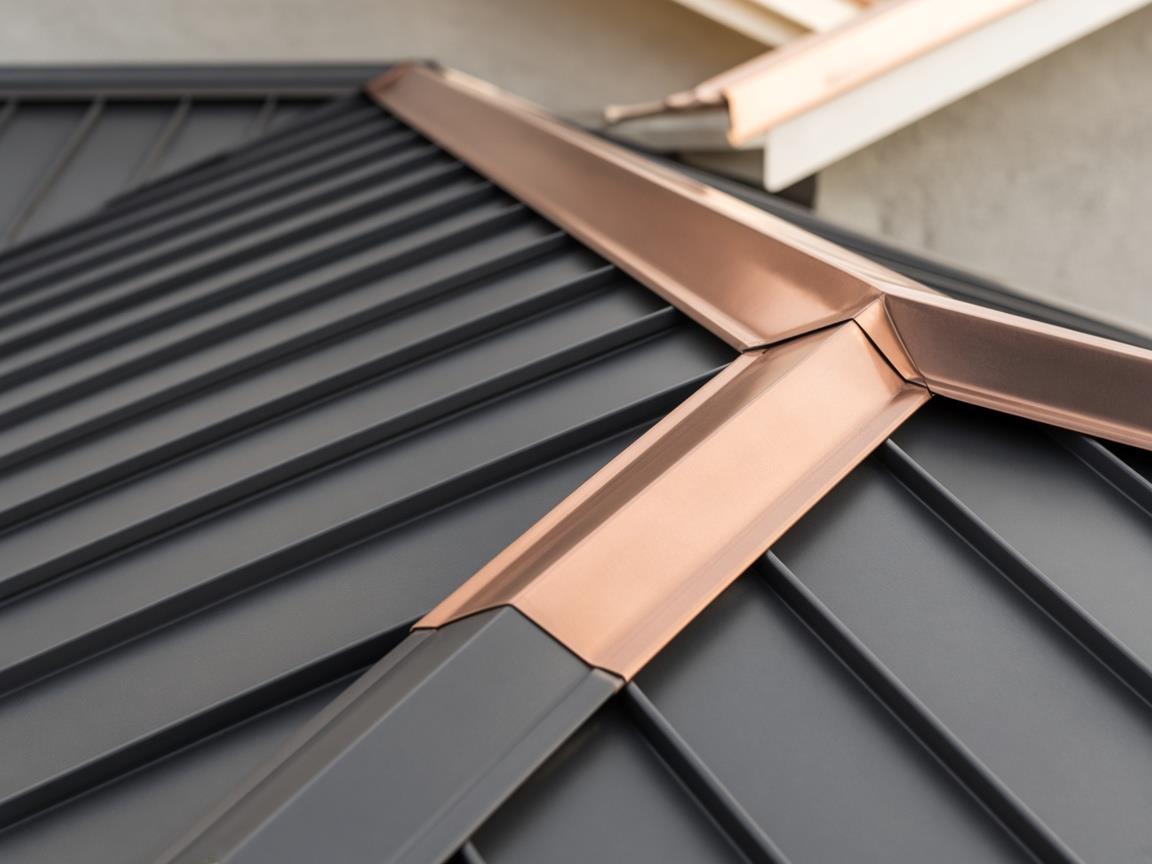
Why this approach
A roofing contractor is easy to find. A clear recommendation is not. FBPMU Roofing starts with the assembly you already have: deck, underlayment, covering, flashings, drainage, and ventilation. That is what decides whether a repair will hold or whether replacement is the honest scope.
How decisions get made
Most roofing projects fail in the diagnosis, not in the labor. A single open pipe boot is a repair. A shingle roof that is brittle across both slopes, losing granules into the gutters, and leaking in more than one room is a replacement conversation. A commercial membrane with one failed seam and dry insulation underneath may be a repair. The same membrane with widespread seams, wet insulation, and ponding at the drains is not.
If you are comparing roofing companies near me, ask each one to separate what is urgent from what is elective. A roofing company that leads with a package before it has been on the roof is guessing. We would rather walk the roof, look in the attic when it is safe to do so, and tell you if the right move is roof repair, leak tracing, maintenance, or a full replacement.
Material choice belongs in that same conversation. Asphalt shingle roofing still covers most houses because it fits steep slopes, common details, and a wide range of budgets. Metal roofing earns its place when the owner wants a longer service life and is willing to detail the panel system correctly. Tile and slate add weight, so the deck and structure have to be part of the plan. Low-slope buildings move into a different set of systems: TPO, other single-ply membranes, and, in the right condition, a compatible coating.
Commercial and residential work should not be treated as the same job with a different invoice. A house can often be staged around a family staying home. A store, clinic, school, or warehouse has occupants, equipment, and sometimes a roof full of curbs and gas lines. That is why commercial roofing and residential roofing are planned as separate practices on this site, even when the crew skills overlap.
Weather damage needs its own reading. Wind can lift tabs, open ridges, and throw debris through a valley. Hail can bruise a shingle or fracture a tile without an obvious hole from the street. Those are different findings, so storm damage roof repair and hail damage roof repair are documented separately. We record what we see. Coverage decisions belong to the insurer and the policy, not to a slogan on a website.
There is also the edge of the roof, which owners often meet only after a stain appears. Soffit intake, fascia, and gutters control how the assembly breathes and how water leaves the building. A perfect field of shingles still leaks at a chimney if the flashing was folded wrong. Skylights fail the same way. If the glass is intact and the ceiling is wet, the curb or step flashing is the first place to look. Those details are covered under soffit and fascia repair and skylight service.
Cost follows scope. Roof replacement cost, roof repair cost, and the price of a coating are not interchangeable numbers, and none of them should be invented from a satellite photo. Size, pitch, layers, deck condition, access, height, penetrations, and disposal all move the figure. The estimate is where those items get named. If you want a number you can compare, ask for the same scope from each contractor: tear-off or overlay, underlayment type, flashing replacement, ventilation, and who hauls the debris.
FBPMU Roofing stands on the written scope and the condition of the roof. This site does not publish review scores, awards, or a license number. If that is the standard you want from a roofing contractor in Denver, Colorado, request the estimate and we will start with the roof itself.
Project conditions
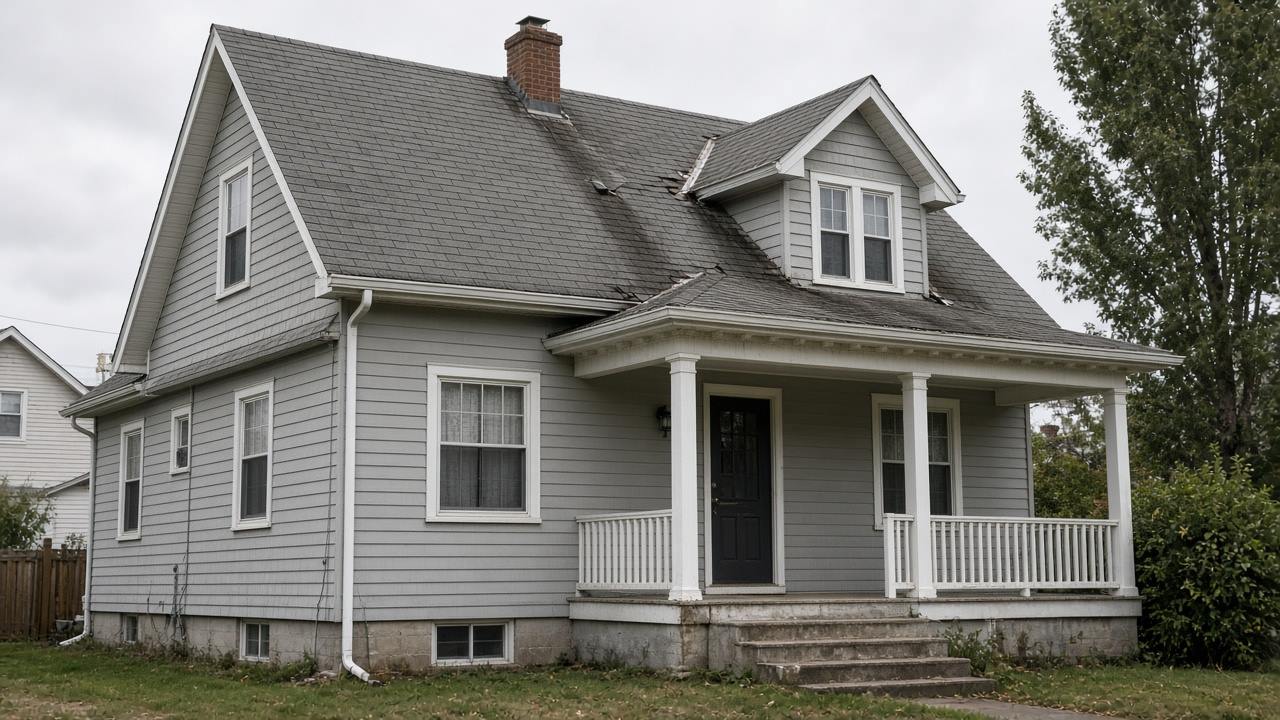
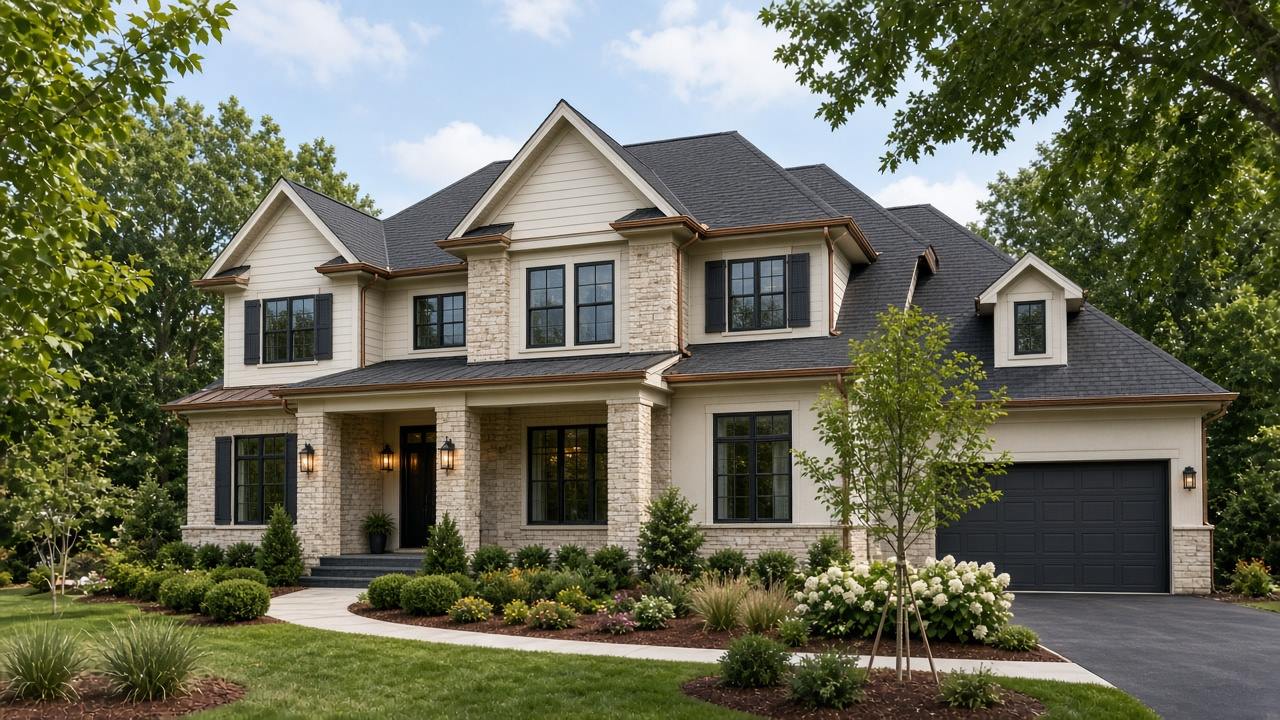
These photographs are illustrative. They are not one address before and after, and they are not presented as a documented job file. They show the difference between a tired asphalt roof and a completed architectural shingle roof, which is the kind of distinction a real estimate has to make.
A worn roof may still have a sound deck and a repairable detail. A completed roof should show straight courses, closed penetrations, and metal that actually turns water away from the wall. See how a project is framed on the our work page.
Buildings
The trade is the same. The constraints are not. Choose the path that matches the building, then go deeper on the system.
Houses
Steep slopes, occupied rooms, chimneys, dormers, and skylights. Residential roofing has to keep a family in the house while the covering, underlayment, and flashings are corrected. Shingle, metal, and tile each change the weight and the detail.
Buildings
Low-slope membranes, rooftop equipment, drains, and tenants who cannot pause operations for a vague schedule. Commercial roofing is planned around access, staging, and a system that can be maintained after the crew leaves.
Process
The sequence does not change because the material changes. Inspection comes before a recommendation. A recommendation comes before a start date.
We look at the covering, edges, penetrations, drainage, and the underside when access is safe. Photos and notes stay with the scope.
You get a clear split between repair, maintenance, and replacement, including what we would not spend money on yet.
Material, access, protection of the grounds, and the order of tear-off or staged repair are set before the first day on site.
The crew builds the agreed assembly, keeps the opening weather-aware, and leaves the drainage paths working.
Service area
DenverColorado and surrounding areas
We schedule roofing work in Denver, Colorado and surrounding areas. We do not publish a list of cities we do not actually serve. If your property is near the edge of that area, say so on the estimate form and we will confirm whether the drive and the roof type fit the schedule.
FAQ
More detail lives on each service page and on the roofing FAQ.
Yes. Houses are scoped as residential roofing. Stores, offices, warehouses, and other low-slope or occupied buildings are scoped as commercial roofing. Tell us which one you have when you request the estimate.
Repair fits a defined defect on a roof that still has service life. Replacement fits widespread wear, repeated leaks, a failed membrane, or a deck that can no longer hold the covering. A site visit is what separates the two. Read the repair and replacement pages for the signs we look for.
We review the property information you send, look at the roof, and explain the condition in plain language. The estimate names the scope. It is not a contract until you accept a written proposal. Start at the contact page.
Shingle, metal, tile, slate details, and low-slope systems such as TPO and other flat roofing. If the roof is unusual, say so. We would rather decline a system we should not touch than force it into the wrong scope.
Yes. Wind and debris are handled as storm damage. Impact bruising and granule loss are handled as hail damage. We describe the condition. We do not promise what an insurance policy will pay.
No. FBPMU Roofing does not publish review counts, awards, or years in business on this site.
Denver, Colorado and surrounding areas. The service areas page explains how to check a property at the edge of that map.
Note when the leak or damage showed up, clear a path to the attic hatch if you have one, and list recent work on the roof. You do not need to climb the roof before we arrive.
Next step
Tell us whether this is a house or a commercial building, and whether you are dealing with a leak, wear, storm damage, or a full replacement. We will follow up to schedule the look.