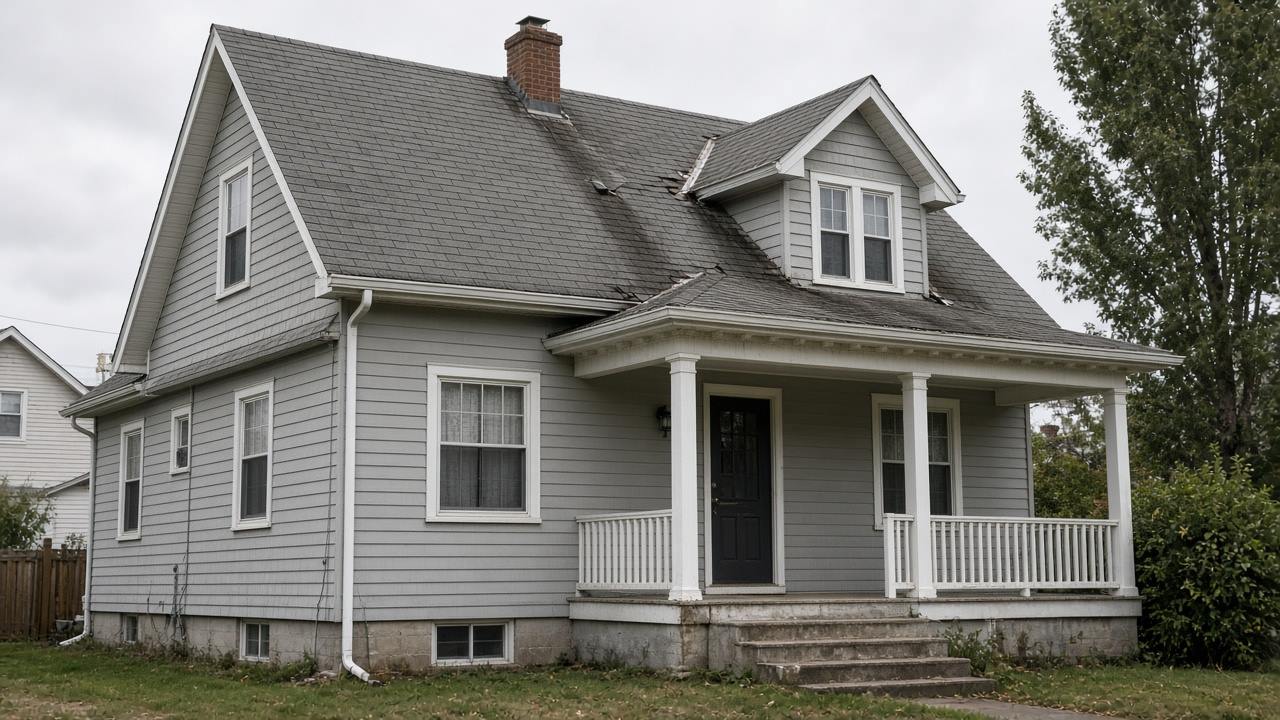
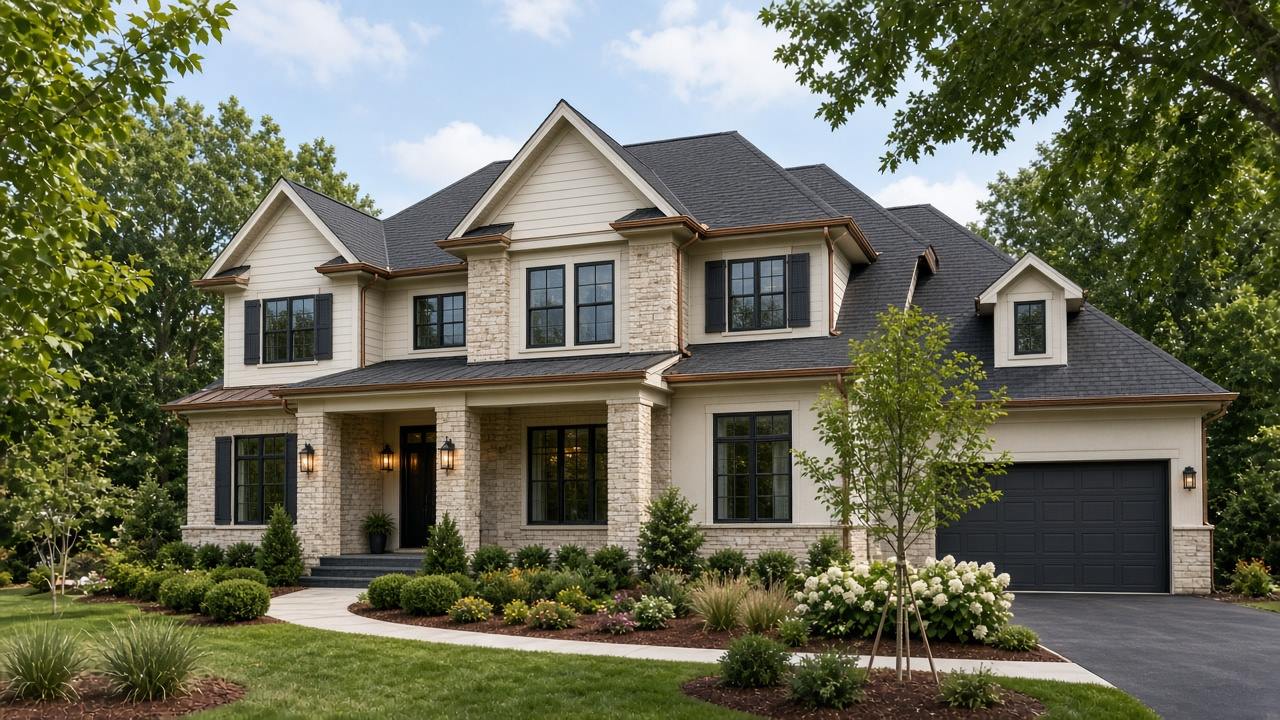
These photographs are examples of roof conditions and finished systems. They are not presented as FBPMU Roofing jobs at named addresses, and the worn house is not the same building as the finished one. What you can take from them is the difference between a field that is used up and a field that has straight courses, closed penetrations, and metal that turns water away from the wall.
What a real project file contains
Condition photos before work starts, including the detail that justified the scope. A written split between repair and replacement. Deck notes once the old covering is off. The underlayment and flashing list, not only the shingle or membrane name. A finish photo of valleys, chimneys, and penetrations, because that is where a pretty slope still leaks. Cleanup of the site. That kind of file answers a careful client. A collage of curb shots does not.
Three kinds of projects we scope
A localized repair documents the defect and the pieces replaced, then stops. A replacement documents tear-off, deck repair, and the new assembly. A commercial project adds drains, curbs, and how the building stayed in use, which is why those jobs are framed on the commercial roofing page. Storm and hail projects add a clear line between damage and ordinary wear so the file can be read by someone who was not on the roof.
Metal work should show the ridge and the wall, not only the pan. The detail image on this site is that kind of photograph: copper-toned trim meeting standing seam. It illustrates the standard. It is not a claim that a specific client received that roof.
How to read a proposal like a project
Ask where the photos of your roof are. Ask which flashings are new. Ask what happens if the deck is soft. Ask how the building is dried in overnight. Those questions are the project. The service pages explain the technical side. The estimate is how your address gets into that process. Geography remains Denver, Colorado and surrounding areas.
What an FBPMU Roofing project file includes
A written project names the system, the reason the old roof came off or was repaired, and one detail that was harder than the field. Client names stay off the public page unless the owner has agreed. Before and after photos belong together only when they are the same roof. The two houses on this page are different buildings, which is why the captions refuse the comparison.
The service pages show the method. A reader who wants metal, TPO, or tile can see how the scope is built. The estimate is how a real address enters the file.
Questions about project photos
Are these before-and-after photos of one house?
No. They show two different houses and two different conditions. The captions say so on purpose.
Can you add real projects later?
Public project pages name the system and the condition, not a client street, unless the owner has agreed to that. The photographs on this page stay labeled as illustrative.
What should a finished repair photo include?
The detail that was opened, not only a wide shot of the slope. A valley, a chimney, or a boot tells the truth.
Do commercial projects look different in the file?
Yes. Drains, seams, and curbs matter more than a street-level elevation. See commercial roofing.
How do I start a project?
Request an estimate. We look at your roof and write the scope before anyone calls it a project.